Best RV for full-time living: start with the life you want
The best RV for full-time living is the one that fits your ordinary days, travel plans, usable carrying capacity, and complete ownership budget. That answer is less glamorous than a ranked list of beautiful motorhomes, but it is much more useful when you are deciding where to sleep, cook, work, and store everything you need.
This article contains paid Amazon links. As an Amazon Associate I earn from qualifying purchases. The links open Amazon product searches to help you compare options; check current specifications, dimensions, and seller details before buying.
In this guide
- Best RV for full-time living: start with the life you want
- Write a one-page brief before looking at listings
- Compare RV types by the compromises they introduce
- Choose the floor plan by using it, not admiring it
- Inspect the RV in travel mode too
- Make carrying capacity a purchase requirement
- Test storage with a realistic inventory
- Evaluate work, privacy, and shared space
- Match the rig to the places you actually want to stay
- Compare the complete cost of each setup
- Inspect condition and support before committing
- Use a trial stay to uncover the missing questions
- Make the final decision with a simple shortlist
- Questions to send before a second walkthrough
- Frequently asked questions
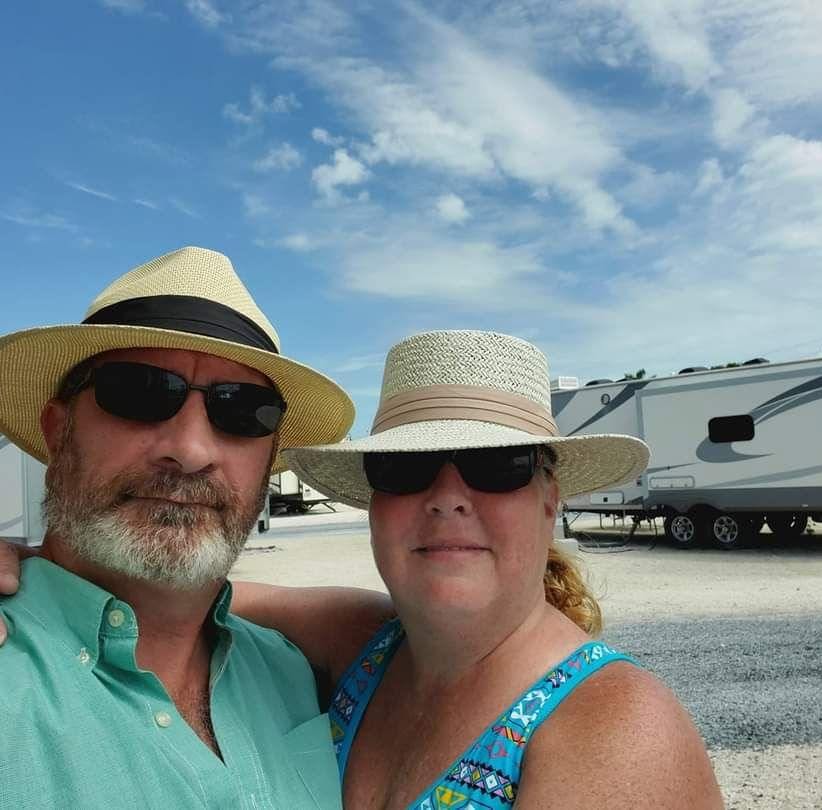
We’re Joe and Jana Martin, and we spent four years living and traveling full-time in an RV, including eight months in the Florida Keys. That experience shapes our emphasis on everyday livability. This guide is a decision framework, not a claim that we have owned or tested every type or model discussed. A floor plan can look wonderful during a quick tour and still leave an important part of your daily life without a workable place.
Start with your household rather than a dealership’s inventory. Will you move twice a week or stay a month? Do you need two work areas? Can both people reach the bathroom at night without rearranging furniture? What happens when it rains for three days? Those questions give you a useful shortlist before finishes, televisions, and clever storage displays begin competing for your attention.
Write a one-page brief before looking at listings
Describe a normal Tuesday in your proposed RV life. Include breakfast, work, pets, cooking, showers, downtime, and sleeping. Then describe a travel day. The two pages may reveal different needs: room to work while parked, but easy access to lunch and the bathroom during a safe stop without opening slides.
List everyone traveling, including animals, and identify needs that deserve their own space. A pet carrier, litter box, medical supply bag, hobby kit, or work monitor takes real room. Do not assume these will disappear into an unspecified compartment once you buy. Give each a proposed location that remains accessible and appropriate for its contents.
Separate requirements from preferences. A bed you can use without a nightly conversion might be essential. A second television might be pleasant. A particular upholstery color is usually easier to compromise on than an unusable shower or a work surface that blocks the only walkway. Keep your essential list short enough to guide a real decision.
Finally, name your likely travel pattern. Frequent moves, seasonal stays, urban visits, and remote camping each place different demands on a rig. You do not need to predict every future adventure. You do need a reasonable first-year plan against which to judge the vehicle in front of you.
Compare RV types by the compromises they introduce
A motorhome combines the living space and driving vehicle. A towable separates the living space from a compatible tow vehicle. That distinction affects arrival routines, local transportation, maintenance arrangements, and what your household does when the main vehicle needs service. Neither arrangement is automatically simpler for every traveler.
Class C motorhomes are built with a recognizable cab and living body, often including an overhead area. They are a natural starting point for many shoppers, but the category contains different sizes and layouts. Examine the actual model rather than assuming every Class C has the same bed access, storage capacity, or driving experience. Go RVing’s Class C overview provides a useful introduction to the category.
A smaller van-style motorhome may make some parking and maneuvering situations easier, while asking you to accept tighter indoor space and more conversions between activities. A larger motorhome may provide separate living zones while requiring a different route, parking, maintenance, and storage plan. Those are tradeoffs to evaluate, not universal verdicts.
A travel trailer or fifth wheel may suit a household that wants to leave its home parked and use the truck locally. The tow vehicle must be matched to the actual loaded combination. If you do not already own a suitable vehicle, include it in the comparison from the beginning. A trailer price by itself is not the cost of the travel setup.
Choose the floor plan by using it, not admiring it
Walk through the day in order. Place imaginary breakfast dishes on the available counter. Sit where you would work for several hours. Check whether the person making coffee blocks the refrigerator. Stand in the shower with permission and see whether ordinary movement is comfortable. Open the drawers you would use most often.
Then place two people in the interior at once. Can one cook while the other passes through? Is there a comfortable seat for each person that does not require one to sit on the bed? A spacious-looking photograph cannot show how two bodies, a grocery bag, and a pet carrier interact in a narrow aisle.
Check the bed carefully. Consider access on each side, the actual mattress dimensions, overhead clearance, and where glasses, a phone, water, or nighttime essentials would go. A bed that requires climbing over a partner may be acceptable for one household and a daily frustration for another. Judge it honestly before ownership makes the compromise feel permanent.
Use a compact measuring tape on Amazon (paid link) if measurements will help you compare candidates. Measure the opening as well as the space behind it. A container that fits inside a cabinet may still be impossible to pass through its door. Your existing measuring tool may be entirely adequate.
Inspect the RV in travel mode too
Ask to see the intended travel configuration, including slides retracted where applicable. Do this with the seller or rental operator following the equipment instructions. Never operate unfamiliar systems simply to complete a shopping checklist. You are looking for how the layout works, not attempting a mechanical inspection yourself.
At a safe parked stop, can you reach the toilet, refrigerator, drinking water, and items you need during the day? If access requires a slide, what would an appropriate stop involve? A floor plan that depends on campground-style setup for every lunch break may change the pace of travel more than you expect.
Look for belongings that need to move before departure. Decorative objects, freestanding appliances, work monitors, and chairs may require secure storage. Identify that storage before deciding the living area has enough room. An attractive counter is not an unlimited carrying surface when the vehicle is moving.
Travel seating is a separate question from parked seating. Verify the seating and restraint arrangements with the manufacturer’s information and applicable requirements. A sofa that is comfortable at a campsite should not be assumed suitable for passengers in motion. Plan how every person will travel in the actual vehicle arrangement.
Make carrying capacity a purchase requirement
Storage volume and carrying capacity are different. A large compartment can hold more objects than the vehicle arrangement can appropriately carry. Manufacturer ratings, vehicle labels, installed equipment, actual loading, and axle distribution all matter. Do not treat the number of cabinets as permission to fill every one.
Build an inventory by category: people, clothing, food, kitchen equipment, work equipment, pet supplies, tools, outdoor gear, fluids, and other belongings. Estimate the complete travel load, then obtain the information needed to check the specific candidate. The goal is a documented loading plan, supported by appropriate weighing and manufacturer guidance, rather than optimistic guesswork.
For a towable, review the truck and trailer together. Ford’s towing information is one example of manufacturer guidance showing why the vehicle’s configuration and added load matter. Use the relevant manufacturer’s documentation for your own equipment. A broad advertised tow figure does not establish that a particular loaded combination is suitable.
If the numbers are unclear, pause the purchase and get qualified help. Do not plan to solve a capacity problem later by leaving behind whatever happens to be inconvenient. The vehicle should support the life you are buying it for, including ordinary supplies and the people who will actually travel.
Test storage with a realistic inventory
Choose a few awkward items from your current household and bring their measurements to the walkthrough. A laptop bag, laundry basket, favorite cooking pot, pet carrier, and footwear collection can reveal more than a perfectly staged cabinet. Ask where each would live and whether that location is reachable when needed.
Divide storage into daily, weekly, and occasional use. Daily items should not require unloading a basement compartment. Equipment needed for arrival should be accessible before the living area is arranged. Wet or dirty supplies need an appropriate separate plan, especially where potable-water equipment and waste-handling supplies are concerned.
Compare packing cubes on Amazon (paid link) only after you know the cabinet dimensions and clothing categories. Organizers can improve retrieval, but they do not create additional weight allowance. Compression changes bulk, not the weight of the clothes inside. Start with fewer possessions before buying a more elaborate storage system.
Leave some practical breathing room. If every space must be packed perfectly for the rig to function, one grocery trip can disrupt the entire arrangement. A workable home needs somewhere for a jacket drying after rain, a parcel awaiting unpacking, and the things that are temporarily between their usual locations.
Evaluate work, privacy, and shared space
If you earn income remotely, test a work session instead of merely identifying a table. Check chair comfort, screen position, power access, lighting, and whether another person can move through the space. Confirm the requirements of your employer or clients before assuming a changing location and connection will be acceptable.
Two people working at the same time may need separate sound environments. Sit in the proposed locations and talk as if each were on a call. A bedroom door can provide visual separation without enough acoustic privacy. Decide whether schedules can alternate or whether the floor plan needs a more substantial separation.
Think about evenings too. One person may want to read while the other watches television. One may get up earlier. A layout that supports different rhythms can reduce repeated negotiations about light, noise, and where to sit. Personal space is not selfish; it is part of making a shared small home comfortable.
Also test the low-energy version of the day. Can you prepare a simple meal without unpacking several appliances? Is there an accessible place to rest while the other person works? The most useful floor plan supports ordinary variations in energy and mood, rather than only the enthusiastic first afternoon of a trip.
Match the rig to the places you actually want to stay
Write down several realistic destinations and research their actual campground requirements. Look at site dimensions, access roads, reservation rules, seasonal services, and local transportation. Avoid choosing a vehicle based on a vague promise that it will fit “most parks.” Your travel plan depends on particular places and particular sites.
Consider the whole approach, not only the advertised pad length. Turns, trees, overhead obstacles, grades, and the room required for a tow vehicle can affect suitability. Ask the campground questions using the actual dimensions and configuration you are considering. A label such as big-rig friendly is a starting point for a conversation, not a guarantee.
If you prefer longer stays, evaluate the parked home carefully while still checking travel requirements. If you expect frequent moves, give arrival, departure, and safe stop access more weight. A vehicle can be a comfortable seasonal base and still feel cumbersome for the kind of touring you imagined.
Do not buy for one exceptional trip at the expense of the other eleven months. Renting a different arrangement for an unusual adventure may be more workable than carrying its compromises through every ordinary day. The first-year travel brief helps you keep that distinction clear.
Compare the complete cost of each setup
Create a separate ownership worksheet for each serious candidate. Include acquisition, the needed driving or tow vehicle, inspections, insurance quotes, registration questions, storage if needed, maintenance planning, and immediate work identified by qualified inspection. Use actual written information where available and mark estimates clearly.
Add ordinary operating costs at your proposed pace. A slower itinerary changes the mix of travel and campsite spending. Local transportation may add another vehicle, towing equipment, parking, or other arrangements. Do not compare one candidate with every supporting item included against another candidate’s advertised vehicle price alone.
Use an undated budget planner on Amazon (paid link) if writing figures on paper helps you compare. A spreadsheet or notebook works too. What matters is a consistent list of categories and the discipline to record unknown amounts as unknown, rather than silently treating them as zero.
Keep room for disruption. Ask what happens if an essential vehicle is unavailable, a campsite reservation changes, or planned income arrives late. This is not about predicting every repair. It is about choosing a setup whose normal expenses leave enough flexibility to handle an imperfect month.
Inspect condition and support before committing
A beautiful interior is not a condition report. Arrange appropriate independent inspection of the RV and, where relevant, the chassis or tow vehicle. Discuss the intended use with the inspector. Ask for findings in a form you can understand and distinguish immediate concerns from routine maintenance and optional improvements.
Review the actual ownership documents, manuals, service records where available, and equipment information. Confirm that the documents relate to the specific unit. A brochure for a model family may not describe its year, installed options, repairs, or later modifications. Record questions that require an answer before a purchase decision.
Keep the paperwork in an expanding document organizer on Amazon (paid link) if useful. Separate advertisements, verified specifications, inspection findings, and contractual documents. An organizer supports retrieval; it does not make a seller’s statement more reliable or replace a professional review where appropriate.
Ask about full-time use directly. Warranty terms, insurance arrangements, storage conditions, and service access should be checked against the current documents and your circumstances. Do not assume a phrase such as residential or full-time friendly answers those questions. Obtain the relevant terms before relying on them.
Use a trial stay to uncover the missing questions
If feasible, rent a comparable type of RV before buying. The trial does not have to duplicate every feature. It should help test the parts you are least certain about: driving or towing, daily space, sleeping arrangements, setup work, or how often you want to move.
Include an ordinary evening, a grocery run, cooking, cleanup, and a quiet period indoors. Avoid filling every hour with sightseeing. You are testing a home routine, and the most revealing moments may be the unremarkable ones: looking for a clean towel, finding somewhere to put a laptop, or making breakfast while someone else is still asleep.
Keep an RV shopping notebook on Amazon (paid link) or use a notebook you already own. Write each observation under works, difficult, and still unknown. Record what actually happened rather than turning one inconvenient rental feature into a verdict on every vehicle in its category.
Afterward, change the brief before changing the shopping list. Perhaps you discovered that a dedicated bed matters more than extra lounge seating, or that a separate local vehicle would be valuable. A useful trial produces better questions, even when it does not immediately identify the vehicle to buy.
Make the final decision with a simple shortlist
Compare no more than a few serious candidates at once. For each, record how it meets the essential requirements, the compromises you would accept, the unresolved questions, and the complete cost picture. More listings do not help when the comparison method changes every time a new photograph catches your attention.
Use a stop rule. A candidate with an unresolved suitability, condition, or affordability concern stays on hold, even if the finishes are perfect. A candidate that meets the essentials can move forward to professional checks and document review without also winning every optional category. There is no prize for owning the most impressive rig in someone else’s comments.
Discuss the compromises with everyone who will live in the RV. Each person should be able to name what they are giving up and why the remaining arrangement still works. A quiet agreement made under sales pressure is different from an informed household decision.
Return to your normal Tuesday. If the rig supports that day, your travel pattern, and your actual resources, you have a stronger basis for choosing it. The goal is a home that helps you enjoy the road, with enough clarity about its limitations to make good plans around them.
Questions to send before a second walkthrough
Send the seller a concise list of unresolved items before arranging the next visit. Ask for the specific year, model, configuration, relevant labels, equipment list, and available service history. Explain which daily-use questions you want to test in person. This gives the visit a purpose and reduces the chance of spending another hour admiring features you have already seen.
Keep written responses with the candidate’s records, and mark anything that still needs independent confirmation. If an answer is vague, ask what document or observation would settle it. A prompt, detailed response is useful, but it is not a substitute for checking the vehicle. Equally, a missing answer is information about what remains unknown, not proof of a defect. The decision can wait until essential questions have adequate answers.
Frequently asked questions
Is a bigger RV always better for full-time living?
No. More interior space can be useful, but size also affects storage, maneuvering, local travel, service arrangements, and campsite choice. Compare the specific floor plan and complete setup against your daily needs. Unused room is not a benefit if the vehicle makes the trips you want harder to organize.
Should we buy the truck or trailer first?
Evaluate the combination before committing to either. If you already own a truck, use its actual configuration and ratings to define suitable candidates. If neither vehicle is purchased, compare complete combinations. Avoid buying one half on an assumption that the other half will somehow fit later.
Can a weekend rental tell us whether we will like living in an RV?
It can answer selected questions, especially when you include normal household tasks. It cannot reproduce every season, repair, or long-term routine. Use it as evidence about the things you tested, then identify what remains uncertain and how you will investigate it before purchasing.
What should we do next?
Write your one-page household brief, choose two or three RV types to investigate, and book unhurried walkthroughs. Bring your measurements and questions. For the wider process, return to our Choosing Your Rig guide, or begin with Getting Started if you are still shaping the travel plan.
For practical RV tips and updates, join The Open Road Letter.