Renting an RV before buying: test the routine, not just the vacation
Renting an RV before buying gives you a chance to test the daily routines and tradeoffs that a showroom visit cannot reproduce. A short rental will not predict every season or repair, but it can show whether a bed conversion frustrates you, a work surface is usable, or the size of a vehicle fits the way you want to travel.
This article contains paid Amazon links. As an Amazon Associate I earn from qualifying purchases. The links open Amazon product searches to help you compare options; check current specifications, dimensions, and seller details before buying.
In this guide
- Renting an RV before buying: test the routine, not just the vacation
- Decide which uncertainty is worth testing first
- Choose a rental that represents the decision you face
- Request a complete written cost estimate
- Read the terms before designing an ambitious route
- Choose a simple first destination
- Pack for the test you want to run
- Treat the handover as part of the rental
- Test the morning and evening routines
- Include work and indoor time if they matter to the purchase
- Keep useful notes without reviewing every minute
- Practice a modest travel day
- Return the vehicle with time for the process
- Translate the trial into a better buying brief
- Keep one clear decision from each test
- Frequently asked questions
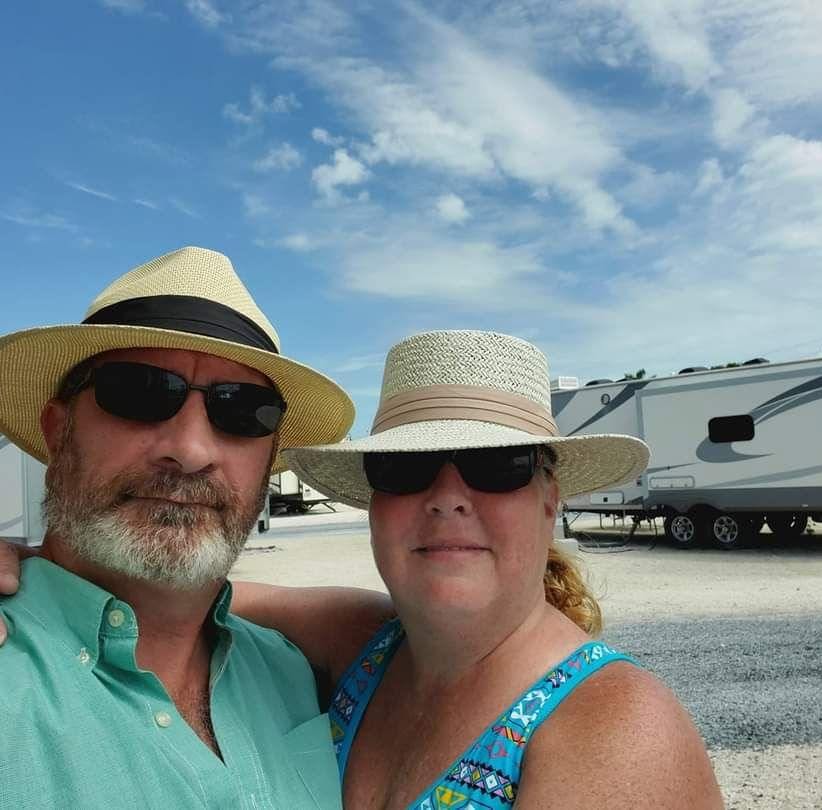
We’re Joe and Jana Martin, and we spent four years living and traveling full-time in an RV, including eight months in the Florida Keys. That experience is why we recommend paying attention to ordinary life as well as the exciting destinations. This guide is a planning framework, not a claim that we have rented from every provider or that a particular rental will guarantee a successful purchase.
Give the trial a job before booking. Choose a few questions that could change what you buy, then design a manageable trip around answering them. A rental is much more useful when you know what you are testing than when every hour is filled with sightseeing and the vehicle is only a place to fall asleep.
Decide which uncertainty is worth testing first
Write down what you do not yet know. Perhaps you are comfortable with the idea of a motorhome but uncertain about its parked space. Perhaps you like a compact van but wonder whether daily conversions would become tiring. Perhaps both travelers want to learn how a travel day feels before shopping seriously.
Choose three questions, not twenty. A trial can address a few uncertainties well while producing only vague impressions about a long list. Examples include: can we both sleep comfortably, can a normal meal be cooked without blocking the room, and can the actual working traveler use the proposed desk for a realistic session?
Separate preferences from technical questions. A rental can help establish whether you like a type of layout. It does not establish whether a different unit for sale is in good condition, whether its loaded arrangement is suitable, or whether its documents support your intended use. Those still need their own review.
Winnebago’s advice on buying a first RV includes an owner’s example of renting during the selection process. Use that idea as a starting point, then tailor your trial to your household’s unanswered questions rather than copying someone else’s trip.
Choose a rental that represents the decision you face
Look for the features most relevant to the test. If you want to compare a fixed bed with a convertible bed, the actual sleeping arrangement matters more than the brand badge. If the uncertainty is bathroom space, confirm the bathroom configuration before booking. Ask for the specific unit or substitution terms rather than assuming every listing photograph is a guarantee.
A comparable vehicle can still provide useful evidence when the exact model is unavailable. Record the differences in advance. A successful weekend in a larger rental should not be treated as proof that a smaller candidate will work equally well. Likewise, an awkward feature in one rental is not a verdict on every RV in its category.
Confirm what equipment is included and what you must supply. Bedding, kitchen equipment, outdoor items, and setup supplies may be handled differently by different operators. Ask how included equipment relates to the actual unit and your planned use. Do not buy a complete accessory collection before checking what is provided.
For a towable rental, verify the complete tow-vehicle and equipment arrangement with the operator and appropriate qualified help before committing. Delivery to a campsite can test parked living, but it does not test your ability to tow, hitch, or travel with that combination. Label the experience accurately.
Request a complete written cost estimate
Ask for the total expected cost for your actual dates, intended use, pickup and return arrangements, and planned distance. Separate the base rental amount from other charges. A prominently advertised nightly figure may not describe everything associated with the booking you are considering.
Ask about mileage arrangements, fuel expectations, generator use where relevant, cleaning, preparation, delivery, pickup, taxes, optional equipment, and other applicable charges. The point is not to assume every provider charges for every item. It is to have the provider identify what applies to the actual offer in writing.
Keep the deposit and payment timing separate from the final expected expense. Ask what is authorized or collected, when, and under what conditions an amount may be retained or adjusted. Review the actual terms yourself and seek appropriate advice if a consequential provision is unclear. A verbal description should not replace the agreement.
Use an undated expense planner on Amazon (paid link) if a paper comparison helps. A notebook or spreadsheet works too. Record the quote date, inclusions, unresolved questions, and your campsite or travel costs so that two rental offers are compared on the same basis.
Read the terms before designing an ambitious route
Confirm who is permitted to drive and what eligibility requirements apply. Ask about the planned destinations, road types, geographic boundaries, pets, smoking rules, and other restrictions relevant to your household. Do not assume permission because a destination appears in another renter’s photographs.
Review the insurance or protection information for the actual arrangement. Ask the provider and any relevant insurer about coverage, exclusions, responsibilities, and the process after an incident. Avoid assuming that a personal vehicle policy or a payment card automatically provides what you need. Obtain the applicable information before relying on it.
Check the cancellation, change, substitution, late-return, and breakdown terms. Think through what happens if a unit becomes unavailable or the trip is interrupted. You are not trying to predict every inconvenience; you are understanding the booking before your travel plans depend on it.
Winnebago’s rental-resource guidance also emphasizes checking inclusions and restrictions. Apply that principle directly to your chosen operator. Current written terms for your booking matter more than a general article or a previous renter’s recollection.
Choose a simple first destination
A trial trip does not need a dramatic route. A manageable campground with confirmed site fit and services appropriate to your plan can leave more attention available for learning the vehicle. Avoid using the same trip to test unfamiliar equipment, a rushed itinerary, and a challenging arrival simultaneously.
Confirm the actual site requirements and approach instructions with the campground using the vehicle’s relevant dimensions and configuration. Ask about arrival times, parking, services, and any rules that affect your test. A reservation should support the trial, not introduce a new set of avoidable uncertainties.
Leave time after pickup for the handover and questions. Do not plan a long, tightly scheduled move immediately after learning unfamiliar equipment. A calmer first day gives you room to organize supplies and review instructions before fatigue makes every small task feel bigger.
Use a current road atlas on Amazon (paid link) as an optional overview and offline backup. Verify current restrictions, clearances, closures, and suitability separately through appropriate sources. The goal is a straightforward journey that lets you focus on the vehicle and the household routine.
Pack for the test you want to run
Bring a realistic sample of daily belongings, not every item you might eventually own on the road. Include ordinary clothes, toiletries, work equipment if relevant, food for the meals you plan to cook, and the supplies the operator says you must provide. Keep the trial load within the arrangement’s actual requirements.
Measure awkward items before departure. A pet carrier, laundry bag, cooking pot, or work bag may reveal more about the layout than another neatly folded shirt. Check what is permitted and practical to bring, then identify likely storage locations during the handover rather than leaving everything in the aisle.
Packing cubes on Amazon (paid link) can separate clothing by person or use if that helps the trial. Use existing bags where possible and avoid buying organizers before you know the cabinet openings. Compression reduces bulk rather than weight.
Keep a short list of what you deliberately did not test. If you left hobbies, pet travel, or work out of the rental, record those gaps. A positive trial is encouraging, but it should not silently become evidence about routines that never happened during the trip.
Treat the handover as part of the rental
Allow time to learn the actual vehicle and ask questions. Request the relevant manuals, contact information, and the operator’s procedures for arrival, departure, connections, equipment use, and return. Do not assume familiar-looking controls work like something you used in another RV.
Ask for demonstrations and explain key steps back in your own words. If a procedure remains unclear, ask again before relying on it. Record where the instructions are stored and whom to contact about equipment questions. A quick video may supplement the handover if permitted, but it should not replace understanding the procedure.
Review the condition documentation with the operator. Follow the provider’s permitted process for recording existing marks, equipment, supplies, and relevant readings. Keep private or identifying material secure. The goal is a shared factual record of the unit you received, not an adversarial inspection of every cosmetic detail.
Use a covered clipboard on Amazon (paid link) if it helps keep the checklist and instructions accessible. An ordinary folder works too. Keep the current equipment-specific procedure available where you use it and avoid exposing private booking or identity records.
Test the morning and evening routines
Spend one evening without a packed activity schedule. Make a meal, clean up, sit where you would normally relax, and prepare the bed. Notice which activities can happen at the same time and which require someone to move. Record inconvenience while it is fresh rather than waiting until the last day.
In the morning, test different waking times if that reflects your household. Can one person make coffee or get dressed while the other sleeps? If the bed converts, what must happen before the dining or work space becomes available? A routine that is acceptable for two nights may still deserve a deliberate decision before full-time use.
Use the bathroom and kitchen as intended and within the operator’s instructions. Check storage, movement, cleanup, and the route through the room. Do not let campground facilities accidentally conceal a feature you intended to evaluate. Equally, if shared campground facilities are part of your genuine travel plan, note how that arrangement works.
At the end of each day, each traveler names one feature that helped and one that made a task difficult. Discuss the observations without turning the trial into a contest between favorite RV types. You are gathering information about a shared home routine, and both perspectives belong in the record.
Include work and indoor time if they matter to the purchase
A holiday-style trip may tell you little about remote work. If work is part of the buying decision, arrange a permitted, realistic test that meets employer or client requirements. Check the seat, screen position, lighting, power access, privacy, and the effect on everyone else’s movement through the RV.
If both travelers work, simulate the overlap even if you are not doing confidential work. Talk from the proposed locations and check whether one person’s call makes the other space unusable. Visual separation is not the same as acoustic privacy. Decide whether schedules could realistically alternate.
Spend some unstructured time indoors even if the weather is lovely. Read, prepare food, put things away, and sit quietly. The outdoor campsite can make almost any interior feel adequate when you barely use it. A purchase decision needs some evidence about life inside the actual room.
Record which limitations you would accept willingly. A small table might be fine for occasional paperwork but unsuitable for a full workday. A compact lounge might be perfectly comfortable for your preferred activities. The trial should clarify those distinctions rather than produce one broad statement that the RV felt good or bad.
Keep useful notes without reviewing every minute
A few observations recorded consistently are better than a complicated form you stop using after lunch. Try three headings: works well, difficult, and still unknown. Add the task, conditions, and feature involved so that the note remains understandable when the trip is over.
Use a travel notebook on Amazon (paid link) or an existing notebook. Give each traveler a chance to write privately before discussing the day. One person may notice a driving or storage issue while the other notices noise, bed access, or the lack of a comfortable seat.
Distinguish a rental-specific issue from a layout issue. An unfamiliar appliance, a missing supplied item, or a maintenance concern should be reported through the operator’s process. It should not automatically become a conclusion about every RV of that type. At the same time, repeated structural inconvenience should not be dismissed as merely needing more enthusiasm.
Take photographs of relevant storage and room arrangements where appropriate and permitted, avoiding private information. A picture of the cabinet opening beside your actual bag can be more useful than another scenic sunset when you return to shopping. Keep the photographs connected to the exact rental and test conditions.
Practice a modest travel day
If driving or towing is part of the trial, obtain appropriate instruction and use the vehicle within the operator’s terms and your preparation. Do not attempt unfamiliar or demanding maneuvers because a rental seems like a chance to see what happens. The purpose is to learn thoughtfully, not create unnecessary difficulty.
Test the preparation process: putting belongings away, checking the appropriate equipment, following the operator’s departure procedure, and communicating between travelers. Include a suitable safe stop where you can evaluate access to food or the bathroom in the parked travel configuration.
Notice the pace. How much time and attention does an ordinary move require for your household at this stage? Do you still enjoy the destination after arriving, or does the day feel overfilled? The answer can inform the itinerary you plan even if it does not change the type of RV you buy.
Separate first-time learning from permanent difficulty. Tasks often become more familiar, but essential discomfort or a layout that blocks a necessary activity still deserves attention. Record what improved with instruction and what remained unresolved. That distinction makes the final buying brief more useful.
Return the vehicle with time for the process
Review the return instructions before the final morning. Follow the operator’s requirements for timing, fuel, cleaning, equipment, and any other applicable items. Do not leave the entire process until after a long final drive. A rushed return can make it harder to document questions or understand charges.
Remove your belongings systematically, including chargers, papers, food, and items in small compartments. Check storage locations against your packing list. Keep the vehicle’s supplied equipment together as instructed and report concerns through the appropriate process rather than attempting unfamiliar repairs yourself.
Retain the condition and return documentation, receipts, and final account information. Ask about any unresolved item and how a follow-up will be handled. Compare the final cost with the original estimate so you understand which amounts were fixed, use-dependent, optional, or related to a change in plans.
Then wait until you are rested before deciding what to buy. A wonderful trip can create a strong impulse to purchase immediately, and a tiring final day can make the opposite conclusion feel equally urgent. Review the evidence from the whole trial rather than letting one emotional moment make the decision.
Translate the trial into a better buying brief
Create three lists: requirements confirmed, compromises accepted, and questions still open. Describe each requirement as an activity the RV needs to support. For example, replace spacious kitchen with enough usable preparation space for your normal meals while the refrigerator remains accessible.
Identify changes to the shortlist. You may now prefer a fixed bed, a different bathroom arrangement, a smaller vehicle, or more separation for work. Make those changes before browsing more listings. The rental has done its job when the next walkthrough becomes more focused.
Keep condition and technical suitability separate. Before purchasing an actual unit, arrange appropriate inspection, verify the loading and vehicle arrangement, obtain current quotes, and review the relevant documents and terms. A successful rental does not transfer those approvals to another vehicle, even one with the same model name.
Finally, discuss the result together. Each traveler should be able to name what they liked, what they would change, and what needs another test. The outcome may be a clearer purchase plan, a second focused rental, or a decision to travel differently. Any of those can be valuable when it is based on what you actually learned.
Keep one clear decision from each test
Before putting the notebook away, write one sentence for each original question. State what happened, what it means for the shortlist, and what remains untested. For example, both travelers may have slept well, while the morning conversion prevented an early work session. That result supports a specific change rather than a vague preference for a bigger RV.
Keep the trial photographs and notes with the exact rental details. Revisit them when a new listing makes you tempted to overlook a requirement you already established. Your own observations are useful buying evidence, especially when the next beautifully staged interior makes every compromise seem temporarily unimportant.
Frequently asked questions
Do we need to rent the exact model we might buy?
Not always. A comparable vehicle can answer selected questions about size, sleeping arrangements, or daily routines. Record the differences and do not extend the result to features you did not test. An exact model may be more useful when a particular layout is the main uncertainty.
Is a delivered rental enough to test RV life?
It can test parked living and some household routines. It does not test towing, driving, hitching, or the complete departure and travel process. Describe the trial accurately and arrange appropriate additional instruction or experience if those parts matter to the buying decision.
How much should we spend on the trial?
Set a limit that fits your own resources and compare complete written quotes for the dates and use you intend. Include campsite and travel costs. The most useful trial is the one that answers important questions within a manageable plan, not necessarily the longest or most expensive rental.
What should we read next?
Use Choosing Your Rig to organize the purchase process and Best RV for Full-Time Living to build the household brief. Bring the rental observations to your next walkthrough so the experience changes the questions you ask.
For practical RV tips and updates, join The Open Road Letter.