RV destinations for coastal stays, mountain days, and slower travel
RV destinations are easier to choose when you begin with the kind of days you want to have, then build a route your rig and household can manage. A trip does not become better simply because it crosses more state lines. The best destination gives you a worthwhile place to stay and enough time and energy to enjoy it.

In this guide
- Choose the experience before the itinerary
- Build a shortlist with three useful options
- Coastal RV destinations: think beyond the waterfront site
- Mountain destinations: plan the approach and the base separately
- Lake destinations: identify your kind of access
- Desert destinations: choose conditions your setup can support
- Small-town bases can change the rhythm of a trip
- Use seasons as a planning filter
- Design a route around a few anchor stays
- Budget for the destination’s daily pattern
- Make room for work, errands, and rest
- Plan access for the activities you actually want
- Turn one destination into several kinds of days
- Keep a travel-day alternative separate from a destination alternative
- Use photographs and reviews as questions to investigate
- A destination worksheet for your next trip
- Work through a two-week destination decision
- Save ideas without turning them into obligations
- RV destination questions
- Official destination research
You may be dreaming about a beach morning, a mountain campground, desert scenery, a lake, or a small town with a good coffee stop. Each idea has a different combination of seasons, access, services, distance, and cost. This guide helps you turn those possibilities into a practical shortlist, with several specific places to research directly.
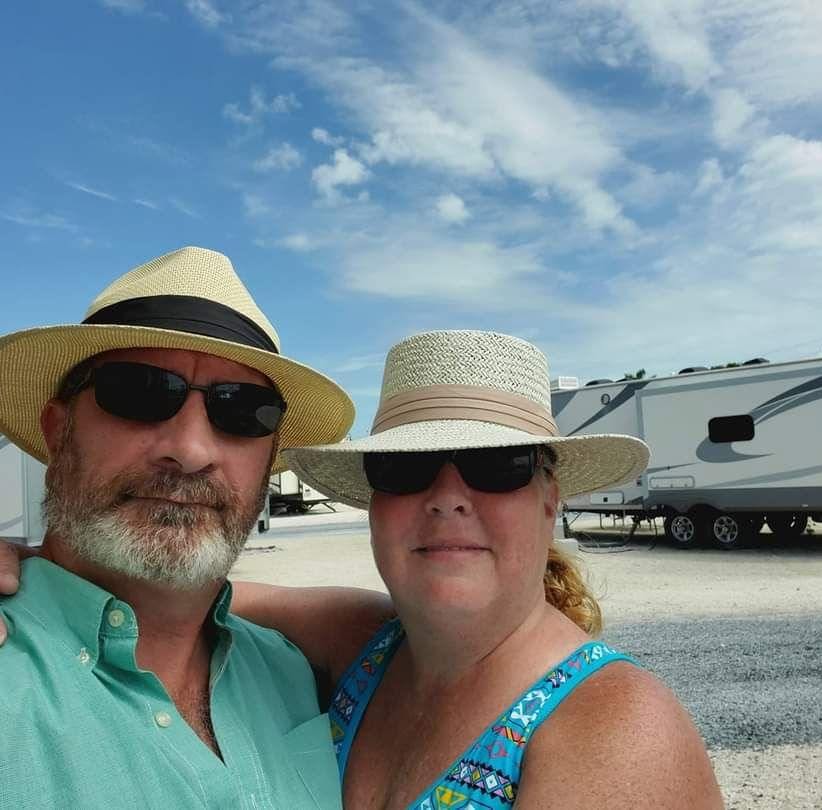
We’re Joe and Jana Martin. Our four years of full-time RV travel included eight months in the Florida Keys. We share that experience as part of our story; the destination examples below are planning starting points, not claims that we have personally stayed at every campground mentioned. Always check the current official information for your dates and equipment.
Choose the experience before the itinerary
Write one sentence describing what you want from this trip. Perhaps you want several relaxed days near water, time outside without moving constantly, or a base for visiting family and exploring a new region. A clear purpose helps you decide whether an additional stop improves the trip or simply fills a blank space on the map.
Then list the everyday conditions that support that experience. Consider the length of stay, distance you are willing to drive for outings, services needed at the RV, access needs, pets, and work commitments. A spectacular setting may still be the wrong base if ordinary tasks consume most of your available time. The destination and the campground should work together rather than pulling the trip in different directions.
Build a shortlist with three useful options
For each region that interests you, identify a preferred base, an acceptable alternative, and a simpler fallback. Compare them using the same information: travel distance, season, suitable camping, access to activities, ordinary services, and total cost. Keep unanswered questions visible so an attractive photograph does not quietly turn uncertainty into an assumption.
A fallback does not have to provide the same view. It needs to preserve the part of the trip that matters most. If your purpose is time beside water, a different lake or coastal community may still work. If you are traveling for a fixed family event, location and reliable arrival may matter more than campground scenery. Define that distinction while you still have choices.
Coastal RV destinations: think beyond the waterfront site
A coastal stay may include beach access, shoreline walks, fishing, local food, or simply time near the water. Decide which of those experiences you want and how close the RV must be to them. A site several miles inland can be a practical base if the daily drive, parking, and access suit your plans.
Check the season and current conditions carefully. Wind, heat, storms, shade, road congestion, and salt exposure can affect both comfort and vehicle care. Read the campground’s rules and local notices instead of assuming a coastal setting is suitable in every month. Build an alternative day into the plan so the trip still works when the beach is not the right place to spend the afternoon.
A Florida Keys planning example: Bahia Honda State Park
Bahia Honda State Park offers a concrete example of why the exact campground loop matters. Florida State Parks describes different arrangements within the park, including RV-capable sites at Buttonwood and restrictions affecting access to other loops. Do not treat a general park reservation search as proof that every available campsite fits your rig.
Use the park’s official camping information to identify suitable possibilities, then check the individual site, current restrictions, reservation terms, and full charges. Consider how you would reach groceries and the activities you want during your stay. If your preferred dates or site are unavailable, compare another legitimate Keys base or a different travel period rather than booking a space with unresolved access questions.
Mountain destinations: plan the approach and the base separately
A mountain trip has at least two routes to consider: the road that gets your RV to its campsite and the roads or trails you use while exploring. A scenic drive that suits a smaller sightseeing vehicle may not suit your full travel setup. Review official restrictions and reliable route information for the actual vehicle involved.
Also think about how elevation, changing weather, daylight, and distance between services affect your days. Leave room for a slower outing or an alternative activity. A campground outside a mountain park can sometimes provide services or access that fit your household better, while a campground inside may reduce some daily travel. Compare the whole arrangement before deciding that either location is automatically superior.
A Smokies planning example: Great Smoky Mountains National Park
Great Smoky Mountains National Park has multiple frontcountry campgrounds with different settings and facilities. Begin with the NPS campground descriptions and the details for a suitable site. Check current operating dates, vehicle limits, services, reservation arrangements, and any park requirements relevant to your visit.
Choose the base around the part of the park you want to experience. An itinerary that repeatedly sends you across a large region may leave less time for enjoying it. If you plan to work during the stay, independently verify the connection arrangement you need. A beautiful mountain campground should not be assumed to provide the same services as a private RV park near a town.
Lake destinations: identify your kind of access
“Near the lake” can mean very different things. You may want a swimming beach, a boat launch, a shoreline path, a fishing area, or simply a water view. Find out where the activity actually takes place and how you would get there from the campground. A waterfront map symbol does not establish direct access from every site.
Ask about seasonal facilities and any equipment or permission relevant to your plans. Consider the practical side of bringing wet clothes, shoes, or outdoor equipment back into a small living space. If you are traveling with people who enjoy different activities, choose a base that offers workable options rather than building the whole stay around one person’s ideal afternoon.
A Great Lakes planning example: Sleeping Bear Dunes
Sleeping Bear Dunes National Lakeshore is a useful starting point for researching a Lake Michigan RV trip. NPS describes RV camping options at Platte River Campground, including different site arrangements and electrical availability at some sites. The individual reservation details still matter for fit and services.
Plan the visit around the activities and access that interest your household, then check which facilities operate during your dates. A destination’s year-round campground status does not mean every service is available year-round. Read the current official descriptions and reservation information, and keep a backup outing for a day when conditions make your original activity less appealing.
Desert destinations: choose conditions your setup can support
Desert scenery can make a memorable RV trip, but the timing and resource plan deserve deliberate attention. Think through shade, temperature, water, power needs, travel distance, communications, and your ability to leave or change the stay. Avoid choosing a remote location simply because a photograph makes it look peaceful.
A developed campground without hookups can be a useful middle ground for travelers who want a quieter setting while still using designated camping facilities. It requires preparation for the services that are absent. Check local rules, current conditions, and your own equipment capabilities. A short trial near appropriate services can answer practical questions before you commit to a longer or more remote stay.
An Arizona planning example: Organ Pipe Cactus National Monument
Organ Pipe Cactus National Monument’s Twin Peaks Campground provides designated RV camping in a desert setting. The NPS camping page describes sites without individual utility hookups, along with campground facilities and operating rules. That makes it a place to research with your dry-camping plan in hand.
Review the official current information for your dates, site, vehicle, and intended equipment use. Verify water and waste arrangements, permitted generator use, seasonal operations, and access before reserving. This is a planning example rather than a recommendation to arrive with an untested off-grid setup. Decide whether the conditions fit your household before treating availability as a reason to go.
Small-town bases can change the rhythm of a trip
A small community near the landscape you want to explore can provide a useful alternative to moving from attraction to attraction. Look at the everyday pattern: where you would buy groceries, do laundry, walk, find a meal, and reach the outings that matter most. A convenient base can leave more time for both sightseeing and ordinary life.
Check the actual distance and route to each activity. A campground described as serving a famous destination may still involve substantial daily driving. Also consider operating days for the places you hope to visit. An appealing community can be a very different experience during a closed season or on a day when several businesses are not open. Save current hours only when you are close enough to the trip for that information to be useful.
Use seasons as a planning filter
Begin with the experience you want, then examine when it is realistically available. Seasonal roads, campground services, weather patterns, daylight, events, and visitor demand all affect a destination. Shoulder-season travel may change some of those conditions, but it does not guarantee lower prices, quiet surroundings, or comfortable weather.
For each shortlisted destination, write down the questions your travel month creates. Are access roads open? Which facilities operate? What would make you change the plan? What is the alternative if a particular activity is unavailable? This exercise is more useful than giving an entire region one permanent label such as “best in spring.” Conditions and household preferences are too specific for that shortcut.
Design a route around a few anchor stays
An anchor stay is a place important enough that you would build part of the trip around it. Choose those stays first when your dates or reservations require it, then fill the transitions with manageable travel days. Keep the number of anchors realistic for the time you have.
For example, a two-week trip might focus on two substantial destination stays rather than a different campground every night. The right arrangement depends on your driving tolerance and obligations, but the exercise makes the tradeoff visible. Every additional move uses time for packing, travel, arrival, and setup. Decide whether the extra stop adds enough value to justify those tasks.
Budget for the destination’s daily pattern
The campsite is only one part of a destination’s cost. Include getting there, local driving, parking, groceries, laundry, activities, and any services your camping arrangement does not provide. A more remote stay might reduce one expense while increasing another. A central location might cost more per night but fit your plans with less daily travel.
Use your own quotes and realistic activity choices. You do not need to pay for an outing every day to enjoy a region. Equally, pretending you will cook every meal when you want to explore local food can make the budget misleading. Build a plan that reflects what you intend to do, then identify which changes would make it more affordable if needed.
Make room for work, errands, and rest
An extended destination stay includes days that do not look like a travel brochure. Schedule errands, household care, work, and downtime before filling every remaining space with outings. That is especially important if driving and setting up take more energy than you expected.
Try placing one lighter day after a move and before a particularly demanding activity. Leave an unscheduled block that can absorb weather changes, a delayed errand, or a place you discover along the way. A schedule with room to change is easier to enjoy than one in which every adjustment means canceling the next three things.
Plan access for the activities you actually want
Read descriptions for the specific places and facilities you hope to use. Distances, surfaces, steps, slopes, parking arrangements, restrooms, and available assistance may affect whether an outing suits your household. Ask the responsible operator or park staff about details that a broad accessibility symbol does not explain.
Apply the same specificity to pet access and other household needs. A pet-friendly campground does not establish that nearby trails, beaches, shuttles, or attractions allow animals. Decide how the whole day will work before arriving at the entrance. This can change the choice of base, length of stay, and which outings are worth putting on the itinerary.
Turn one destination into several kinds of days
Build a small menu of activities with different demands. Include an easy nearby option, a more involved outing, an indoor or sheltered alternative where available, and a day that requires no major excursion. Then select from that menu based on current conditions and how everyone feels.
This approach is particularly useful for couples or groups with different interests. One traveler may want a long outing while another would prefer a slower day. Discuss what can be enjoyed together, what can be done separately, and the practical arrangements involved. A destination becomes more flexible when the itinerary includes choices rather than a single required experience each day.
Keep a travel-day alternative separate from a destination alternative
If a driving day changes, you may need a suitable overnight stop before you reach your intended base. That is a different problem from finding a replacement for an entire destination stay. Record the alternatives separately so you are not trying to solve both while tired.
For an overnight fallback, focus on permission, fit, access, services needed that night, and arrival arrangements. For a destination replacement, consider whether it still provides the purpose of the trip and works with the rest of the route. Save the relevant contacts and policies. Do not rely on a place merely because it appeared available during an earlier search.
Use photographs and reviews as questions to investigate
A scenic photograph can show why a place interests you, but it cannot establish current site conditions, access, weather, or the experience you will have. Look at the date, location, and viewpoint when they are available. A photograph of a destination may have been taken far from the campground advertised beside it.
Read reviews for specific patterns relevant to your plans. Compare recent observations from travelers with similar needs, then confirm important details with the operator or official source. Keep personal preference separate from a practical restriction. Someone else disliking a quiet location does not necessarily matter to you; a site that cannot accommodate your vehicle does.
A destination worksheet for your next trip
For each finalist, record the region, your purpose for visiting, likely travel dates, suitable camping options, access questions, services needed, and current information sources. Add the outings you most want to do and how you would reach them. Include a total-cost estimate, booking deadlines, and an alternative if the preferred plan changes.
Then ask one final question: would you still enjoy the stay if your most photogenic outing did not happen? If the answer is yes because the base and daily rhythm are appealing, the destination may be a strong fit. If the entire trip depends on one uncertain activity, consider a different timing, a shorter commitment, or an alternative that offers more ways to enjoy your time.
Work through a two-week destination decision
Imagine you have fourteen days away from home and want time beside water plus a mountain stop. Start by setting aside the driving and transition time your actual route requires. Include preparation and the final trip home. If the two desired regions are too far apart to leave satisfying stays at both, choose one region for this trip and keep the other for another journey.
For the water-focused stay, decide whether you need to camp directly on the shoreline or would enjoy a comfortable base within a manageable outing distance. For the mountain stay, identify the part of the region you want to explore and verify a suitable approach. Compare the combined route with an alternative built around one larger region that offers both kinds of experiences.
Next, place work commitments, errands, and a lighter day into the calendar. Count the genuinely available sightseeing days again. This second count often changes which reservations make sense. A route that looked reasonable on a map may offer only a brief visit to the place you cared about most once the moving tasks are included.
Finally, write a short explanation of the chosen itinerary: why these bases, why these dates, and what you will change if a key condition is different. That explanation becomes a useful check when you are tempted to add another famous stop. If the new detour weakens the original purpose, you have a clear reason to leave it out.
Save ideas without turning them into obligations
Keep a separate someday list for places that interest you but do not belong in the current route. Record the name, the reason it appeals, a reliable starting source, and any season or access question to research. You do not need a complete itinerary for a trip you have not decided to take.
Review that list when you plan a new journey rather than reopening every idea during the current one. A place can remain appealing even when the timing, route, or rig makes it impractical today. This helps you keep curiosity without allowing a growing collection of bookmarks to make every trip feel incomplete.
After you return, add notes about the destinations you actually experienced. Identify what you would repeat, what requires more time, and whether your chosen base supported the days you wanted. Those observations are more useful for the next decision than a simple tally of how many attractions you reached.
RV destination questions
Is a national park campground always the best base?
It depends on the part of the park you want to explore and the services your household needs. Compare suitable sites inside with practical options outside. Include access, travel time, current rules, and the ordinary needs of your stay. The boundary on the map does not decide which base will work better for you.
How many destinations should we include?
Begin with the time available after travel and household tasks. Choose a small number of places you can enjoy without rushing, then examine whether another stop improves the route. If adding a destination turns several relaxed days into repeated arrival and departure routines, recognize that tradeoff before booking.
Can we build an enjoyable trip close to home?
Yes. A nearby region can offer the same opportunity to practice RV routines, spend time outside, and enjoy a different pace without a long drive. Choose a purpose and a workable base just as you would for a distant trip. Familiar geography can make room for a new kind of experience.
Official destination research
- Bahia Honda State Park camping and amenities
- Sleeping Bear Dunes camping
- Great Smoky Mountains frontcountry camping
- Organ Pipe Cactus National Monument camping
Check these sources again before booking and before travel. The examples above are research starting points, and each actual stay needs its own current site and route checks.