Road wellness that supports the trip you want to take
Road wellness begins with a travel plan that leaves room for your ordinary needs. Rest, meals, movement, personal care, access to healthcare, and a way to change the itinerary all belong in the plan. A beautiful campsite is easier to enjoy when getting there has not consumed every bit of your energy.
This article contains paid Amazon links. As an Amazon Associate I earn from qualifying purchases. Product suitability depends on your equipment and needs; check current details before buying.
In this guide
- Define what a manageable travel day looks like for you
- Discuss significant health needs before departure
- Organize a concise health-information kit
- Plan medication logistics with your pharmacist
- Check how care and coverage work along your route
- Make rest part of the schedule
- Make ordinary meals easier to maintain
- Plan movement around your abilities and surroundings
- Prepare for weather and power interruptions
- Separate medical supplies from general comfort items
- Give traveling companions room for different needs
- Create a plan for seeking help
- Rehearse a week before committing to a long season
- Road wellness questions to discuss early
- Make the next trip easier to enjoy
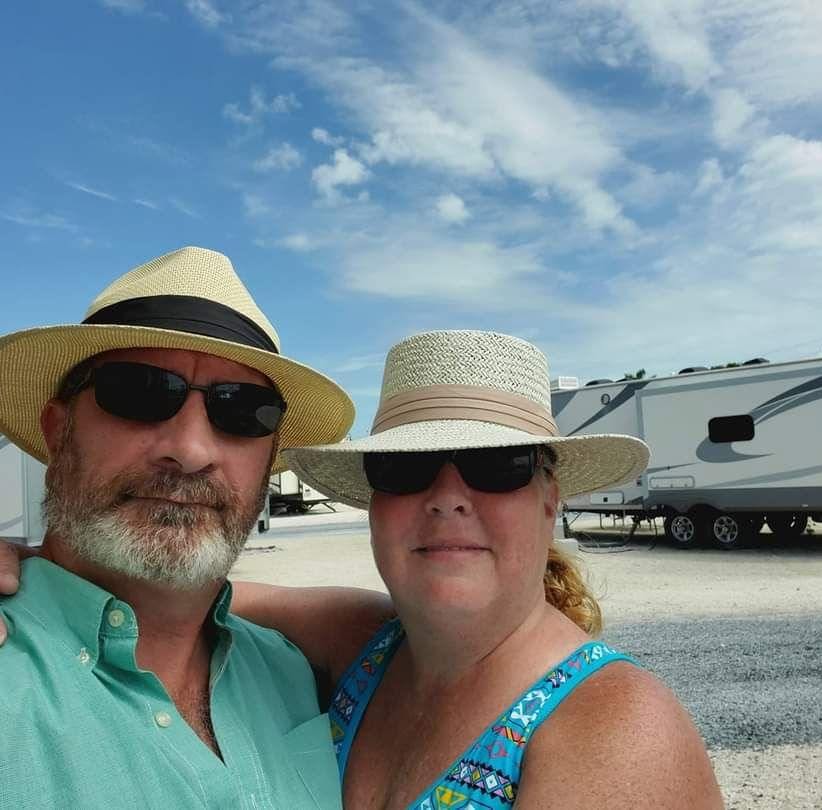
We’re Joe and Jana Martin. Our four years of full-time RV travel and our preparations to return to the road shape our interest in a sustainable travel pace. This guide offers organization and planning ideas, not diagnosis, treatment, or individualized medical advice. Discuss your own health needs, medications, activity, and travel arrangements with qualified healthcare professionals.
Define what a manageable travel day looks like for you
Start with your current routines rather than an idealized version of yourself who never gets tired. Consider the time needed to wake, prepare food, pack, complete vehicle checks, drive, stop, park, and settle in. Mileage is only one part of the effort involved.
Write down a few practical limits for the trip. You might prefer daylight arrivals, shorter drives, a rest day after moving, or a campsite close to essential services. These are planning choices to discuss and test. They do not need to match another traveler’s schedule to be useful.
Build a version of the itinerary with fewer commitments. Identify which outing could move, which reservation terms allow a change, and where you could stay longer if appropriate. Having options prepared reduces the pressure to continue solely because an ambitious route was written down before you knew how the week would feel.
Discuss significant health needs before departure
If you have a health condition or ongoing treatment, involve your healthcare team while plans are still flexible. Explain the length of the trip, destinations, expected activities, access to care, and the practical conditions in the RV. Ask what should be arranged before you commit to a demanding itinerary.
The CDC Yellow Book’s guidance for travelers with chronic illnesses emphasizes advance preparation with healthcare professionals. Its focus includes international travel; for a domestic RV trip, ask your own team which planning considerations apply to your circumstances. A general checklist cannot establish whether a particular trip or activity is suitable for you.
Bring questions you can act on: how routine care will continue, what records to carry, how to handle an interruption, and when to seek help. Ask who to contact if a nonurgent concern arises away from your usual practice. Keep the answers in a format that you and a trusted travel partner can find when needed.
Organize a concise health-information kit
Choose the information that would help a healthcare professional understand your situation. Depending on your needs, that may include relevant diagnoses, allergies, current medication names and doses, clinician contacts, insurance information, and important recent records. Ask your care team what belongs in your own kit.
Keep the record current and protect its privacy. A shared trip calendar is not necessarily the right place for detailed medical information. Consider a secure offline copy and a suitable backup. Give a trusted companion enough information to locate the record without making it publicly accessible.
Review the kit before a longer trip and after a meaningful change in care. An old medication list can be more confusing than a short accurate one. If a document needs explanation, ask for that explanation before leaving. The point is to make relevant information available, not to collect every medical document you have ever received.
Plan medication logistics with your pharmacist
Before travel, discuss supply, refill timing, transfer limitations where relevant, storage requirements, and the route with your pharmacist and prescriber. Different medicines and prescriptions can have different rules. Do not assume that a refill arrangement used at home will work automatically in every place you intend to visit.
Ask specifically about the environment in the RV. Temperature can vary while driving, parked, or disconnected from shore power. Follow each medicine’s labeling and professional instructions, including what to do after a possible storage problem. Do not use appearance or smell alone to decide whether a medicine remains suitable.
The CDC’s heat-and-medications guidance explains that heat can affect medications and some medical devices. Ask your clinician or pharmacist for your own hot-weather and power-interruption plan. Do not stop, change, or reschedule treatment based on a travel article or another camper’s experience.
Check how care and coverage work along your route
Contact the relevant insurer or plan administrator about the services you expect to need away from home. Ask about routine care, urgent care, emergency procedures, prescriptions, networks, prior approvals, and how to obtain help. Record the answers and the date rather than relying on a brief summary from someone with a different plan.
For a longer stay, identify appropriate local services before you need them. Check locations and current contact details. Consider the practical journey from your campground, not just the straight-line distance on a map. A remote setting may be attractive while being a poor base for a period when you need regular access to care.
If you expect to use telehealth, confirm the provider can offer the service while you are in the intended location and what technology is required. Keep a backup for a failed connection. This guide does not determine insurance benefits, professional licensing rules, or whether remote care is appropriate for a particular concern; verify those matters directly.
Make rest part of the schedule
Look at what precedes and follows a driving day. Packing late, waking early, traveling, and planning a major outing immediately after arrival can create a demanding sequence even when each individual task seems modest. Try arranging the trip so the necessary work has room around it.
Keep a simple wind-down routine where practical. Put tomorrow’s essentials in place, review the next day’s commitments, and decide what can wait. Think about lighting, sound, temperature, and the sleeping arrangement when choosing a site and organizing the interior. Follow the RV’s operating guidance when adjusting systems for comfort.
If rest or sleep is persistently difficult, discuss it with an appropriate healthcare professional rather than collecting supplements or copying a stranger’s routine. An itinerary can be adjusted while you seek help. You do not need to solve a recurring personal-care problem by proving that you can keep traveling at the same pace.
Make ordinary meals easier to maintain
Plan food you enjoy and can prepare with the available space, storage, and equipment. Keep a few straightforward meals for busy days and identify how groceries fit into a longer stay. A complicated menu can become another travel task instead of something that supports the day.
Follow any dietary or fluid guidance given for your individual health needs. General suggestions about what every traveler should eat or drink may not fit someone with particular conditions or prescribed restrictions. Ask your care team how the trip’s climate, activities, or schedule should affect your own plan.
Food handling matters as well as meal choice. The FDA’s outdoor food-safety guidance explains safe transport and serving practices. Keep suitable storage and temperature monitoring in mind when shopping. Our daily road life guide covers building a practical kitchen routine around an ordinary camping week.
Plan movement around your abilities and surroundings
Consider activities you already enjoy and that your healthcare professional considers suitable where guidance is needed. Walking around a campground, an accessible outing, or a familiar routine may be more manageable than making every destination a demanding physical challenge. Avoid treating a travel schedule as an exercise prescription.
Research the actual conditions before an outing. Distance, surface, elevation change, weather, shade, toilets, seating, and the return journey can all affect practicality. A destination described as easy may still be unsuitable for your current abilities. Use official accessibility and trail information and ask about details that are missing.
Keep a shorter version of an outing available. Decide where you can turn back and how you will return. Discuss the plan with your companion before either person feels pressure to continue. Choosing an enjoyable activity you can comfortably complete may support your trip more than finishing the most ambitious option on the list.
Prepare for weather and power interruptions
Review reliable current forecasts and the campground’s instructions for severe weather. Learn where guests are directed and how you would reach that location. Save essential information before losing service. A normal comfort routine should not be confused with a plan for conditions requiring different action.
If a medical device or medication depends on electricity or controlled storage, develop a specific interruption plan with the relevant professionals and equipment supplier. Understand the requirements and limits of the equipment you use. Do not assume an accessory battery or campground generator will support it without checking the actual specifications and arrangements.
Choose the campsite with those needs in mind. Access to services, the reliability of the intended arrangement, and a practical alternative may matter more than a remote view. Our off-grid setup guide discusses planning resources, but your own care requirements should determine whether a particular off-grid stay is appropriate.
Separate medical supplies from general comfort items
Keep required supplies identified, accessible, stored correctly, and checked before departure. Discuss the contents of a first-aid kit and any personal medical supplies with appropriate professionals. Learn what you are trained to do and what requires outside help. An equipment purchase does not create the knowledge needed to use it.
Comfort items can be helpful without being treatments. A favorite mug, a book, a familiar blanket, or a quiet sitting routine may make an unfamiliar campground feel more settled. Choose items that fit your space and preferences rather than assuming every traveler needs a large wellness collection.
If you use essential oils, supplements, or other products, ask a qualified professional about suitability around your medications, conditions, companions, and pets. Follow labels and storage instructions. Do not treat a product’s natural origin or popularity as evidence that it is safe for every person or animal, or use it as a substitute for needed care.
Give traveling companions room for different needs
Talk about energy, privacy, food, rest, and the outings each person wants to enjoy. Two people can be interested in the same destination while needing different schedules. Agree on what you will do together and what can happen separately when safe and practical.
Choose useful signals for changing the plan. “I need a quieter afternoon” gives a clearer starting point than hoping your companion notices you are tired. Respond to the request as information for planning, not a judgment on the trip. The same approach can help when one person wants more activity and the other wants more time at camp.
Include the work of caring for the household. If one traveler handles every meal, booking, route, and medical appointment, the other person’s relaxed schedule may depend on a great deal of invisible effort. Share tasks appropriately, know where important information is kept, and revisit the arrangement as needs change.
Create a plan for seeking help
Keep the campground’s correct name, address, site number, and access instructions available. Make sure your travel partner can find them. Know the local emergency number for your destination and follow professional advice about when to seek urgent assistance. Do not rely on a general website to assess symptoms while deciding whether to get help.
For nonurgent needs, record the appropriate clinician, pharmacy, insurer, equipment supplier, or other service contact. Note operating hours and how to reach them from the place you will be staying. A useful contact list explains who handles which problem, rather than containing several unfamiliar numbers without context.
Discuss what happens if you need to interrupt the trip. Consider transport, a longer stay, accommodation if the RV cannot be used, pets, and contacting a trusted person. You do not need to predict every event. You need a practical way to make the next decision without also searching for every basic detail.
Rehearse a week before committing to a long season
During a short, suitable trial, use the routines you intend to maintain on the road. Notice the effort required for meals, rest, personal supplies, errands, and any ongoing care arrangements. Keep the activity list modest so you can learn about ordinary days rather than only vacation days.
Write down what helped and what was difficult. Perhaps a shorter drive made arrival easier, the campsite was farther from services than expected, or a storage location made necessary supplies awkward to reach. Bring health-related questions back to your healthcare team rather than trying to solve them entirely through equipment purchases.
Choose a few adjustments and repeat the trial if appropriate. A successful plan is one you can maintain with the needs you actually have. Returning home, shortening a season, or selecting a different destination can be a sensible planning choice rather than evidence that the whole idea has failed.
Road wellness questions to discuss early
Can we travel with an ongoing health condition?
Many people plan travel around continuing care, but your own suitability and arrangements need individualized professional guidance. Explain the route and practical conditions to your healthcare team. Work through access, medication logistics, equipment, coverage, and an interruption plan before relying on a distant or demanding itinerary.
Is a remote campground always more restful?
Not necessarily. It may offer quiet while adding travel time for groceries, care, communication, or other needs. Compare the whole stay. A less isolated site that supports your routines may feel easier than a spectacular location that makes every ordinary task difficult.
What should we change first if travel is exhausting?
Look at the pace and the number of commitments, and seek professional help for health concerns. Shorter travel days, fewer moves, or a simpler activity list may be useful planning changes. Avoid assuming fatigue is something you must overcome to deserve the trip.
Make the next trip easier to enjoy
Choose one planning gap to close before booking: a question for your clinician, a medication-storage arrangement, a realistic driving day, or a campground closer to required services. Road wellness is most useful when it supports a specific decision.
Continue with daily road life for household routines, RV destinations for choosing a manageable setting, and RV budgeting for keeping care and ordinary living costs visible in the travel plan.
Plan a slower day before you need one
A travel plan should allow for an ordinary low-energy day. Before booking a busy stretch, identify what can be shortened, moved, or skipped. A campground close to groceries and routine services may be more useful than one that requires several extra drives. Keep a simple meal available and leave time for the household tasks that cannot wait indefinitely.
Make a practical continuity list with the people involved in your care. Confirm how to contact your usual providers, how follow-up works while traveling, and what information should be available if you need care away from home. Ask your pharmacist about the logistics that apply to your prescriptions and destinations. Arrange supplies and refills before the departure date rather than assuming every location can resolve a last-minute request.
Review coverage and access with the relevant insurer or plan. Provider availability, networks, and payment arrangements can vary. Keep confirmed contact information accessible offline and protect private records. A campground recommendation or an online review is not a substitute for verifying the service you actually need.
On the day itself, scale the plan to current conditions. Shorten an outing, stay another night when feasible, or let a sightseeing stop go. Discuss changes early so both travelers understand the decision and can adjust reservations or work commitments. Seek appropriate medical help for concerning symptoms; a slower schedule is a planning choice, not treatment. A trip with room to respond to real needs is easier to sustain than one that depends on feeling the same every morning.
Practical tools to compare before buying
Start with the problem, the equipment you already own, and the space available. These links open Amazon product searches so you can compare options. They are not claims that we tested every product, that every result suits your RV, or that you need all five categories. Keep what serves your actual plan and skip what does not.
Reusable water bottles
Choose a bottle that is easy to clean, carry, and store securely. Use it according to its instructions and your personal care guidance. A bottle is a convenience, not a universal hydration prescription or treatment for a medical condition.
Compare reusable water bottles on Amazon (paid link).
Before deciding, check the current listing, seller details, specifications, and instructions. Compare the complete cost and storage needs with a practical alternative you may already have. Choose for the task and your own setup rather than the number of features in an advertisement.
Food-storage containers
Familiar meals can make travel-day planning easier. Review container dimensions, food-contact suitability, cleaning, and temperature instructions. Plan food storage appropriately and follow any individual dietary advice rather than treating a container as a wellness solution.
Compare food-storage containers on Amazon (paid link).
Before deciding, check the current listing, seller details, specifications, and instructions. Compare the complete cost and storage needs with a practical alternative you may already have. Choose for the task and your own setup rather than the number of features in an advertisement.
Document organizers
Keep appointment contacts, relevant records, and information needed for care organized with appropriate privacy. Confirm which documents are useful with your providers. An organizer helps retrieval but does not replace a healthcare access or coverage plan.
Compare document organizers on Amazon (paid link).
Before deciding, check the current listing, seller details, specifications, and instructions. Compare the complete cost and storage needs with a practical alternative you may already have. Choose for the task and your own setup rather than the number of features in an advertisement.
Travel notebooks
Record practical questions to discuss with your clinician, pharmacist, or insurer, along with appointment and follow-up details. Keep sensitive information secure. A notebook is a planning tool and should not be used to change treatment without appropriate advice.
Compare travel notebooks on Amazon (paid link).
Before deciding, check the current listing, seller details, specifications, and instructions. Compare the complete cost and storage needs with a practical alternative you may already have. Choose for the task and your own setup rather than the number of features in an advertisement.
Rechargeable reading lights
A suitable reading light may make a quiet evening more comfortable. Compare settings, charging, intended use, and secure storage. Start with the environment and routine that support your household; the product is optional and makes no medical promise.
Compare rechargeable reading lights on Amazon (paid link).
Before deciding, check the current listing, seller details, specifications, and instructions. Compare the complete cost and storage needs with a practical alternative you may already have. Choose for the task and your own setup rather than the number of features in an advertisement.